Although the Gospels only give indirect historical witness to Mary and neglect her, the veneration of Mary, which has its origins in folk piety, is very important to many Christians. Why is Mary, the mother of Jesus, so worshiped by believers? Mary was nothing special, she was a simple young girl, like many others. However, her deep faith in God and her unconditional willingness to do God's will set her apart from other women her age, and she still inspires admiration and respect for many.
Christians, like other saints, are venerated by Christians, but neither they deify them nor adorate them. Mary represents a model worthy of worship and following. Christians do not pray to Mary or the saints, they only ask them to intercede for God, because they believe that they are already close to him and can submit their prayers to him. And closest to him is Mary, the mother of the Son of God, who became man. Mary is "one of us", she knows human life with all its pains and difficulties from her own experience. That makes her so nice. By taking Mary to heaven after her death, she was the first person to participate in Jesus' resurrection.
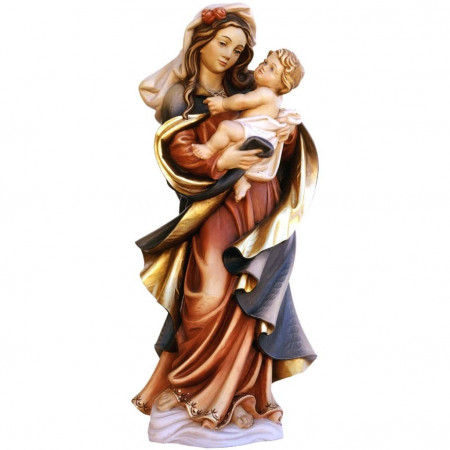
Marian dogmas
Among all the saints, Mary has an important position in the Catholic Church. This is clearly proved by four binding statements about Mary, the so-called Marian dogmas:
Mary, Mother of God: At the Council of Ephesus in 431, it was decided that Mary could be called not only the "Mother of Jesus," but also "Mother of God," because Jesus was not only a true man but also a true God.
The perpetual virginity of Mary: According to the teaching of the Church, Mary was a virgin before, during and after the birth of Jesus.
Mary, conceived without sin:With the fall of Adam and Eve, original sin entered the world, the consequences of which are borne by every human being. However, by special grace, God saved Mary from the stain of original sin.
Mary taken into heaven: Assumption of the Virgin Mary - Mary was taken into heaven as a human being with body and soul.
Marian pilgrimage sites
Numerous small and large pilgrimage sites associated with the worship of the Mother of God also testify to the deep affection for Mary. Believers seek refuge in her with their worries and, as a mother, entrust her with their joys and sorrows.
Today, the largest Marian shrines in the world are in Guadalupe (Mexico), Aparecida (Brazil), Lourdes (France), Fatima (Portugal), Medjugorje (Bosnia) and Czestochowa (Poland), which welcome millions of pilgrims every year. Levoča is such the most important place in Slovakia.
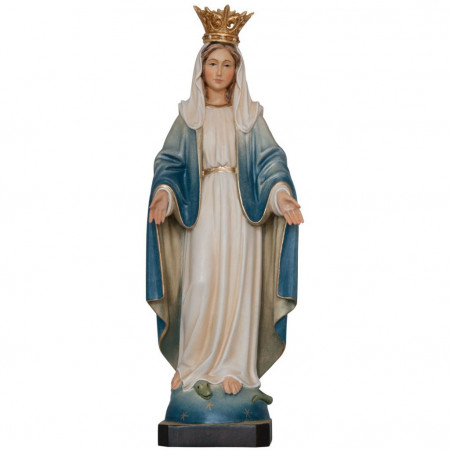
Feasts of the Virgin Mary
The liturgical calendar recognizes many Marian feasts Many of them are known to most believers, others less so:
Virgin Mary, Mother of God (January 1)
The Christmas end with the Marian holiday, which reminds us that Mary is the Mother of the Son of God.
Feast of the Visitation of Virgin Mary (July 2)
Feast of the Visitation of Virgin Mary commemorates the visit of a pregnant Mary to her relative Elizabeth, who was awaiting the birth of her son, John the Baptist, at an advanced age. He greets her with the words, "Blessed art thou among women, and blessed is the fruit of thy womb." We find this greeting from Elizabeth in Mary's Prayer. However, this holiday is celebrated around the world at the end of May.
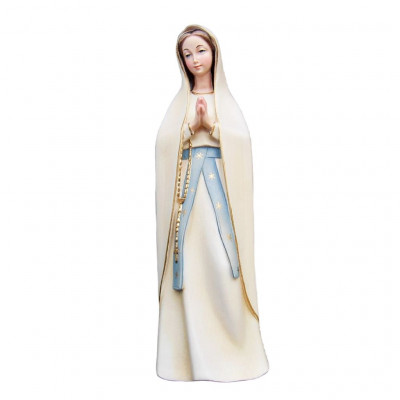
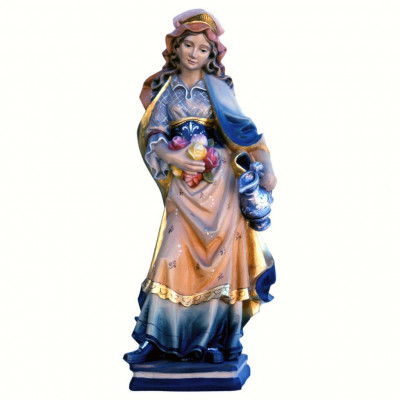
The Assumption of Virgin Mary (August 15)
The Assumption of Virgin Mary is a remembrance of the truth of the faith about Mary's Assumption and the feast of the Queenship of Virgin Mary (August 22) is celebrated as the culmination of this celebration.
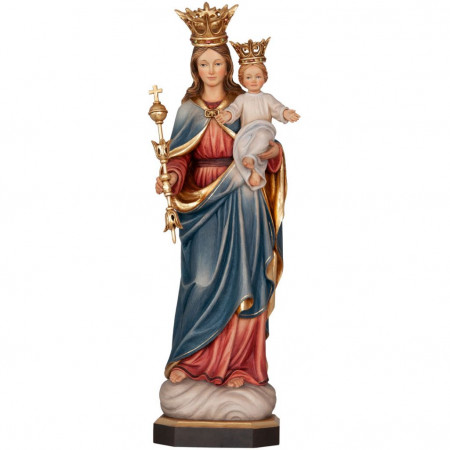
The month of September offers us several Marian celebrations.
We commemorate the Feast of the Nativity of the Virgin Mary (September 8) and Feast of Holy name of Mary (September 12). Pope Innocent XI. made this feast compulsory for the whole Church after the Christian troops victoriously ended the Turkish siege of Vienna on September 12, 1683. The troops carried a flag with the Virgin Mary in front to protect them during the battle. And in the middle of this month, we commemorate the Feast of Our Lady of Sorrows (September 15): Since the 14th century, believers have worshiped Mary as the one who experienced her suffering in connection with Christ.
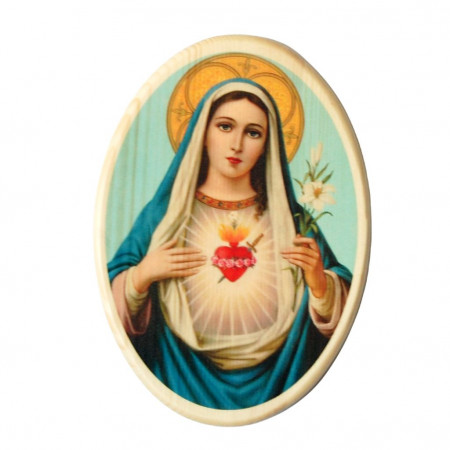
The feast of Immaculate Conception (December 8)
The feast of Immaculate Conception is a reminder of the dogma that Mary was saved from original sin. However, there are many other Marian celebrations during the year.
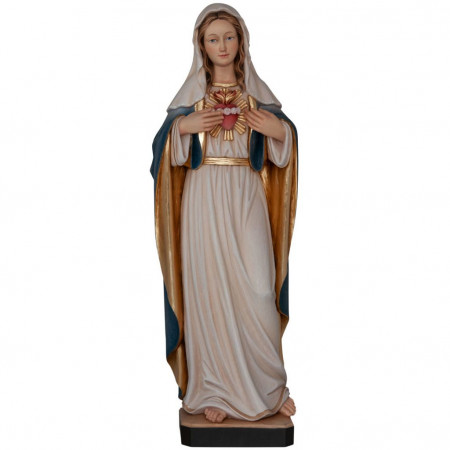
What does Mary mean to today's women?
What does the Virgin Mary mean for women at a time when religious customs such as the May devotions are increasingly being forgotten? The ideal of a woman based on virtues, such as obedience, humility, subordination and purity, is already completely distant and foreign to many. However, in addition to this traditional image, there is another aspect of the Mother of God that makes Mary attractive to some women again. It is the story of a woman who, despite her uncertain future, does not lose heart and always tries to take advantage of her situation, for example when she runs away with her child to Egypt. Maria stands with both feet on the ground and knows parents' worries with their adolescent and defiant offspring too.